
Dr. Peter M. Groffman
845 677-7600 x128


- Profile
- Past Projects
- Publications
Peter Groffman studies how microbial processes impact gas exchange - particularly nitrogen - between the soil and air. His work encompasses rural and urban ecosystems, and is primarily centered at two of the National Science Foundation’s Long Term Ecological Research sites located in Hubbard Brook, New Hampshire and Baltimore, Maryland.
As a result of climate change, forests in the northeastern US are experiencing reduced winter snow cover. This change leaves the forest soil exposed to subfreezing temperatures for extended periods. Without a layer of insulating snow, important biological activity that usually continues throughout the winter stops. Freezing damages tender tree roots. Increased winter rain washes nitrogen and phosphorus - nutrients critical to tree growth - out of the soil, threatening forest productivity and water quality. Bare soils produce more nitrous oxide and consume less methane - both potent greenhouse gases. Understanding these processes will inform forest management as climate warms.
Urbanization is a global trend marked by increasing homogenization of the landscape; imagine the cookie cutter properties that characterize ‘suburbia’. Understanding landscape homogenization will help predict the impacts of urban land use change and its effects on carbon storage and nitrogen pollution, on multiple spatial scales.
Groffman is also a Professor at the City University of New York Advanced Science Research Center at the Graduate Center and the Brooklyn College Department of Earth and Environmental Sciences.
-
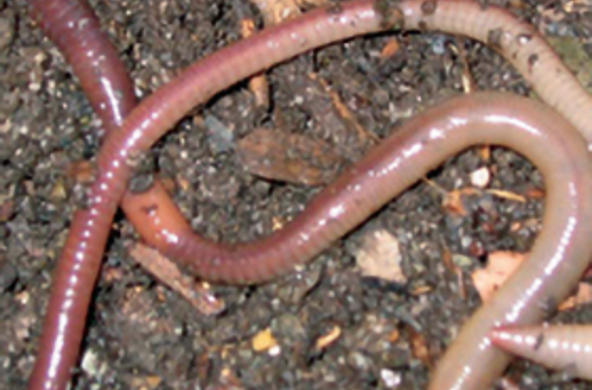
Exotic Earthworms & Northern Temperate Forests
Through their burrowing activities, earthworms reap dramatic physical changes on forest soil. Prior research has shown that by altering forests floor structure, earthworms can dramatically affect crucial nutrient cycling processes, such as nitrification.
-
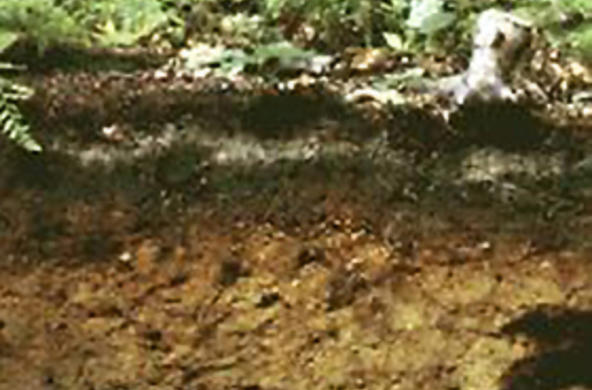
Base Cation Depletion: Organic Matter Quality & Microbial Processes
There is great interest in evaluating, and possibly ameliorating, the effects of forest soil base cation depletion caused by acidic atmospheric deposition in the northeastern U.S.
-

Baltimore Ecosystem Study
A ground-breaking urban ecology project, the Baltimore Ecosystem Study investigates the ecological, cultural, and economic forces that shape the environmental quality of urbanized areas.


